Healthcare that starts with a conversation.
Talk with Lyla's AI-powered care concierge about your symptoms, understand your next steps, and connect with a licensed healthcare provider when appropriate, all from wherever you are.
No waiting room. No phone tree. Care that meets you where you already are.
Meet Lyla
Your AI Health Companion
How can we help today?
Tell us what's going on. We'll help you find the right next step.
Hi, I'm Lyla. I can help you explore care options, find the right service, learn about common health concerns, and get started with a virtual visit.
Healthcare that's convenient, accessible, and built around you.
- Licensed healthcare professionals
- Secure virtual visits
- Convenient online scheduling
- Transparent pricing
- Prescription support
- Care from wherever you are
Personalized Care Wherever You Are.
From everyday health concerns to ongoing care, Lyla connects you with the right support without the waiting room.

Primary Care
Routine and preventive care, plus support for ongoing conditions.
- Routine care
- Chronic condition management
- Preventive care
- General health concerns

Urgent Care
Same-day help for common illnesses that shouldn't wait.
- Cold and flu
- Sore throat
- Sinus issues
- Minor infections
- Allergies
Mental & Behavioral Health
Talk with a licensed professional about how you're really doing.
- Anxiety
- Depression
- Stress
- PTSD
- OCD
- Panic disorder
- Bipolar disorder
Women's Health
Care that follows your body, your questions, and your timeline.
- Birth control
- Women's wellness
- Sexual health
- Hormonal health

Men's Health
Discreet, straightforward care for the things worth asking about.
- Erectile dysfunction
- Hair loss
- Sexual health
- Men's wellness

Weight Management
Clinician-guided plans built around your health history and goals.
- Weight management support
- Personalized treatment plans
- Ongoing care
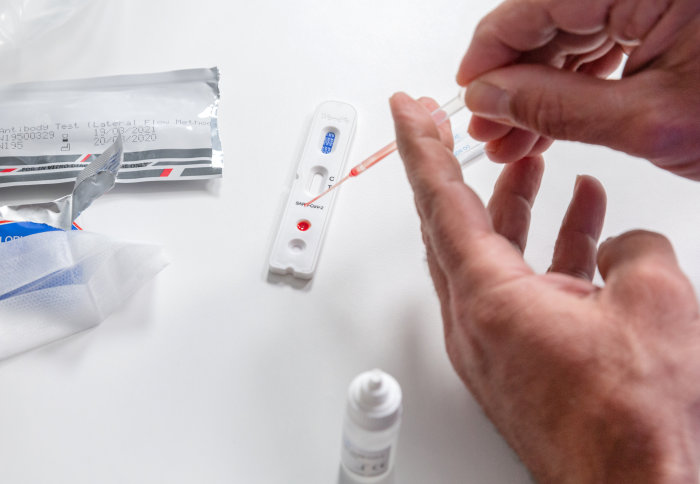
Lab Work
Order the right tests, then review your results with a clinician.
- At-home test kits
- Lab panels
- STI testing
- Results review

Medication Management
Refill requests and medication questions, handled in one place.
- Prescription refills
- Medication questions
- Ongoing medication management


Need a refill? We've made it easier.
Request eligible prescription refills online and manage your medications from one convenient place.
Commonly requested refills
Refill requests are subject to provider review and clinical appropriateness. Not every medication can be refilled virtually, and some require an updated visit first.
My medications
Example view · placeholder data
- Eligible for refill
Lisinopril
10 mg · once daily
Next refill Aug 04 · Dr. Michael Reed
Request refill - Eligible for refill
Atorvastatin
20 mg · nightly
Next refill Aug 11 · Dr. Michael Reed
Request refill - In provider review
Sertraline
50 mg · once daily
Next refill Aug 19 · Dr. Jay Chen
Request refill - Eligible for refill
Metformin
500 mg · twice daily
Next refill Aug 22 · Dr. Amelia Ellis
Request refill - Visit needed
Albuterol inhaler
90 mcg · as needed
Next refill Sep 02 · Dr. Amelia Ellis
Request refill
Comprehensive lab testing for better care.
Order lab work online and test at home, then review your results with a licensed clinician.
General Wellness Panel
Learn moreA broad look at how your body is doing, reviewed by a licensed clinician.
- Complete blood count
- Metabolic panel
- Lipid panel
- Vitamin D
Hormone & Thyroid
Learn moreUnderstand fatigue, mood, and energy changes with targeted hormone testing.
- TSH & T4
- Testosterone
- Estradiol
- Cortisol
STI & Sexual Health
Learn morePrivate testing with discreet results and clear next steps if treatment is needed.
- Chlamydia & gonorrhea
- HIV
- Syphilis
- Hepatitis panel
Metabolic & Weight
Learn moreBaseline labs that help your clinician build a safe weight management plan.
- HbA1c
- Fasting glucose
- Insulin
- Liver & kidney function
Heart Health
Learn moreTrack cholesterol and cardiovascular risk markers over time.
- Lipid panel
- ApoB
- hs-CRP
- Blood pressure review
Vitamins & Nutrients
Learn moreFind the deficiencies behind low energy, hair changes, or poor sleep.
- Vitamin D
- Vitamin B12
- Iron & ferritin
- Folate
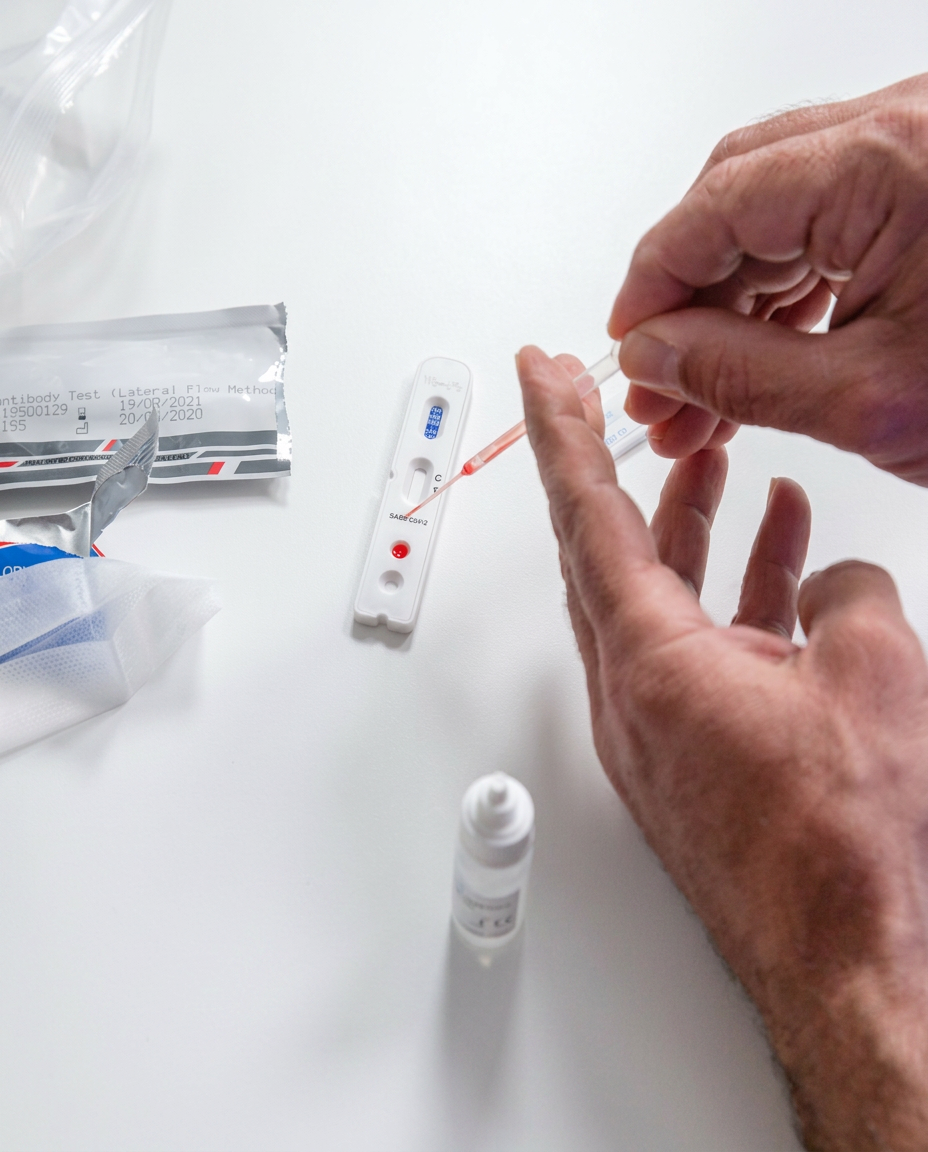
Lab testing availability varies by state. Tests are ordered when clinically appropriate and reviewed by a licensed clinician.

Healthcare designed around your life.
Not another portal to log into. A calmer way to get the care you need.
Convenient
Get care without the waiting room.
Accessible
Connect with care from wherever you are.
Personalized
Your care should reflect your needs.
Human
Technology makes healthcare easier. People make it better.
Connected
Keep your care and medications organized in one place.
Modern care, delivered virtually.
Virtual care isn't right for everyone, but for many everyday health needs it's a faster, more comfortable way to see a licensed provider.

Virtual Care
In-Person Care
- See a provider from homeTravel to a clinic
- Same-day and evening availabilityFixed office hours
- No waiting room, no commuteWaiting room and travel time
- Transparent pricing before you beginCosts often unclear upfront
- Prescriptions sent to your pharmacySome medications require in-person visits
- Notes and follow-ups in one placeHands-on exams, labs, and imaging on site
Some situations require in-person or higher-acuity care. If you are experiencing a medical emergency, call 911 or go to the nearest emergency department.
AI-guided. Clinician delivered.
Lyla's AI concierge helps you get to the right place faster. Licensed clinicians deliver the care.
- 01
AI Helps You Get Started
Understand your needs and find the right care pathway.
- 02
Clinicians Provide Your Care
Connect with licensed healthcare professionals who evaluate your individual needs.
- 03
You Stay in Control
You decide what happens next and can access care on your terms.
- 1. AI Assistant
- 2. Care Navigation
- 3. Licensed Provider
- 4. Personalized Care
AI supports the care journey. It does not diagnose conditions or replace a licensed healthcare professional.
Board-certified clinicians who care.
Compassionate, qualified healthcare professionals who are here to listen, guide, and support you.

Dr. Michael Reed
Primary Care, Men's Health · MD
Focuses on preventive care and long-term relationships with patients managing everyday health.

Dr. Jay Chen
Urgent Care · MD
Helps patients get quick answers for common illnesses and decide when in-person care is needed.

Lisa Kofi
Mental Health · LCSW
Works with adults navigating anxiety, stress, and life transitions using a collaborative approach.

Dr. Amelia Ellis
Primary Care, Women's Health · MD
Supports patients with chronic conditions and medication management over time.
Provider profiles above are clearly labeled placeholders for layout purposes and will be replaced with verified provider information.
Meet Our ProvidersWhat our patients say.
Stories from people who got care with Lyla.
“I woke up with a terrible ear infection and was worried I would have to sit in urgent care for hours. Instead, I used Lyla Health and was able to get an appointment quickly from home. The clinician was incredibly friendly and compassionate and walked me through everything. I received a prescription for treatment and clear instructions on what to watch for. It was such a relief to have my issue addressed without leaving my house.”
“I woke up feeling awful and knew I needed to talk to a doctor, but my primary care office couldn’t get me in for several days. I tried Lyla and was able to see a clinician much sooner than I expected. The clinician was warm, professional, and took the time to understand my symptoms. I received a treatment plan and prescription the same day. Everything was handled quickly and efficiently, but I never felt like I was being rushed.”
“Finding a therapist who fit my schedule had always been a challenge. Lyla Health made it simple. I was able to book an appointment online and speak with a compassionate clinician without taking hours away from work. They listened carefully and helped me understand what I was experiencing. We discussed treatment options, including medication, and I left the appointment with a clear plan. The experience felt personal rather than clinical or rushed.”
“I wanted to talk to a doctor about hair loss but kept putting it off because getting an appointment was such a hassle. With Lyla, I completed the consultation online and was able to speak with a clinician quickly. They explained the available treatment options clearly and answered all my questions. I was prescribed medication for hair loss and had everything sent to my pharmacy. It was private, convenient, and much easier than I expected.”
“I had been struggling with uncomfortable symptoms and couldn't get an appointment with my regular doctor for several weeks. I decided to try Lyla and was pleasantly surprised by how quickly I could speak with someone. The clinician was friendly, compassionate, and took my concerns seriously. I received a treatment plan and prescription and finally felt like I had an answer. The convenience of being treated from home was a huge plus.”

Healthcare, without the hassle.
Four simple steps from “something feels off” to a plan you understand.
STEP 01
Tell us what's going on
Start with the Lyla AI Health Assistant, or choose the type of care you need.
STEP 02
Find the right care
We guide you to the appropriate Lyla service and healthcare professional.
STEP 03
Meet with your provider
Connect securely with a licensed healthcare professional in a virtual visit.
STEP 04
Keep moving forward
Get a treatment plan, prescriptions when appropriate, follow-up care, and ongoing support.
Simple, transparent pricing.
Know what your care costs before you begin.
Insurance
Use your coverage where Lyla is in network.
- Covered visit$0
Depends on your plan. Eligibility is confirmed before your visit begins.
- $0 visits with eligible in-network plans
- Benefits verified before you book
- Claims handled for you — no paperwork
- Copays or deductibles may apply by plan
- Most chosen
Consultation
Primary and urgent care visits with a licensed provider.
- 15 minute consultation$89
- 16+ minute consultation$129
Prescriptions issued when clinically appropriate.
- Same-day and evening availability
- Licensed provider in your state
- Prescriptions sent to your pharmacy when appropriate
- Visit summary and follow-up guidance included
Monthly Membership
Ongoing primary care and support all year round.
- Monthly membership$289
Cancel anytime. Billed monthly.
- Unlimited virtual visits with your care team
- Chronic condition management and check-ins
- Medication refills reviewed and sent for you
- Priority scheduling and follow-up care
Pricing and availability may vary by service, provider, location, and insurance coverage.
Insurance Plans We Work With
Most major plans are accepted. Coverage is confirmed before your visit begins.
- Aetna
- Blue Cross Blue Shield
- Cigna
- UnitedHealthcare
- Humana
- Kaiser Permanente
- Oscar Health
- Anthem
- Aetna
- Blue Cross Blue Shield
- Cigna
- UnitedHealthcare
- Humana
- Kaiser Permanente
- Oscar Health
- Anthem
- Medicare
- Medicaid
- Tricare
- Ambetter
- Molina Healthcare
- Centene
- Highmark
- Optum
- Medicare
- Medicaid
- Tricare
- Ambetter
- Molina Healthcare
- Centene
- Highmark
- Optum
Frequently Asked Questions
Straight answers about virtual primary care, prescriptions, coverage, and privacy.
Ready when you are
Your health, on your schedule.
Start with a question. Lyla will help you find the right care from there.